What Happens If You Don’t Clean Your Gutters Regularly? Hidden Risks Explained
You hear it before you see it. A steady drip somewhere along the roof edge during a hard rain, then a dark streak running down the siding the next morning. Maybe water sheets over the front of the gutter instead of reaching the downspout, pooling near the steps. Most people notice these signs and assume the gutters are fine because they got cleaned a year or two back. That assumption is exactly where the trouble starts.
Here is the short version. When gutters stay clogged, water stops going where it was designed to go and starts going everywhere it should not. The damage rarely shows up overnight. It builds slowly behind fascia boards, under shingles, and along the foundation until a small clog becomes something you can see from the street. After inspecting hundreds of these systems, we can tell you the worst damage almost always comes from gutters that looked fine from the ground. Catching it early takes far less effort than most people expect.
What a Clogged Gutter Actually Does to Your Home
A gutter has one job. Move roof water away from the house in a controlled path. The second that path fills with leaves, shingle grit, and pine needles, water backs up and looks for the next lowest point. That point is almost always your fascia, your soffit, or the soil sitting against your foundation.
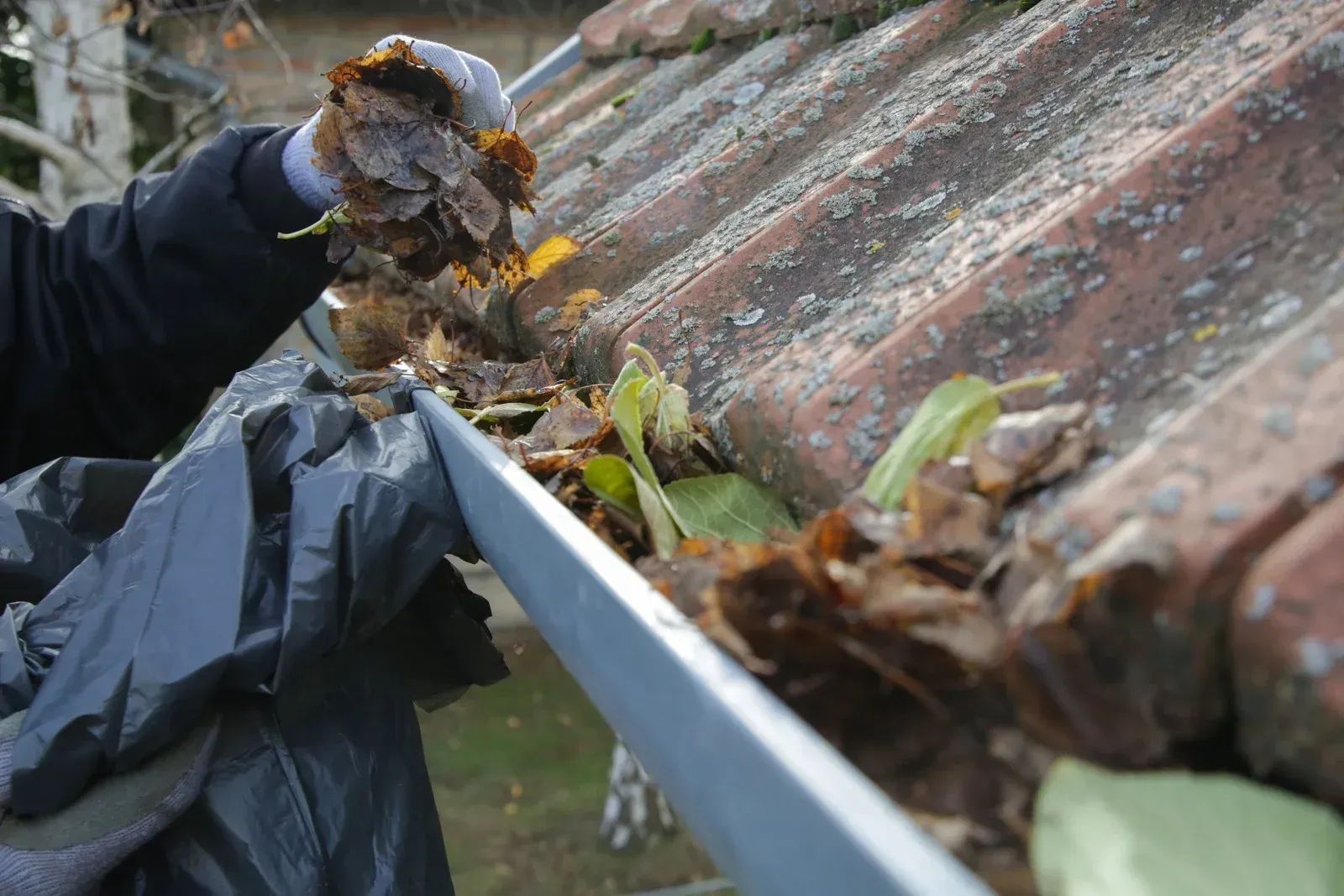
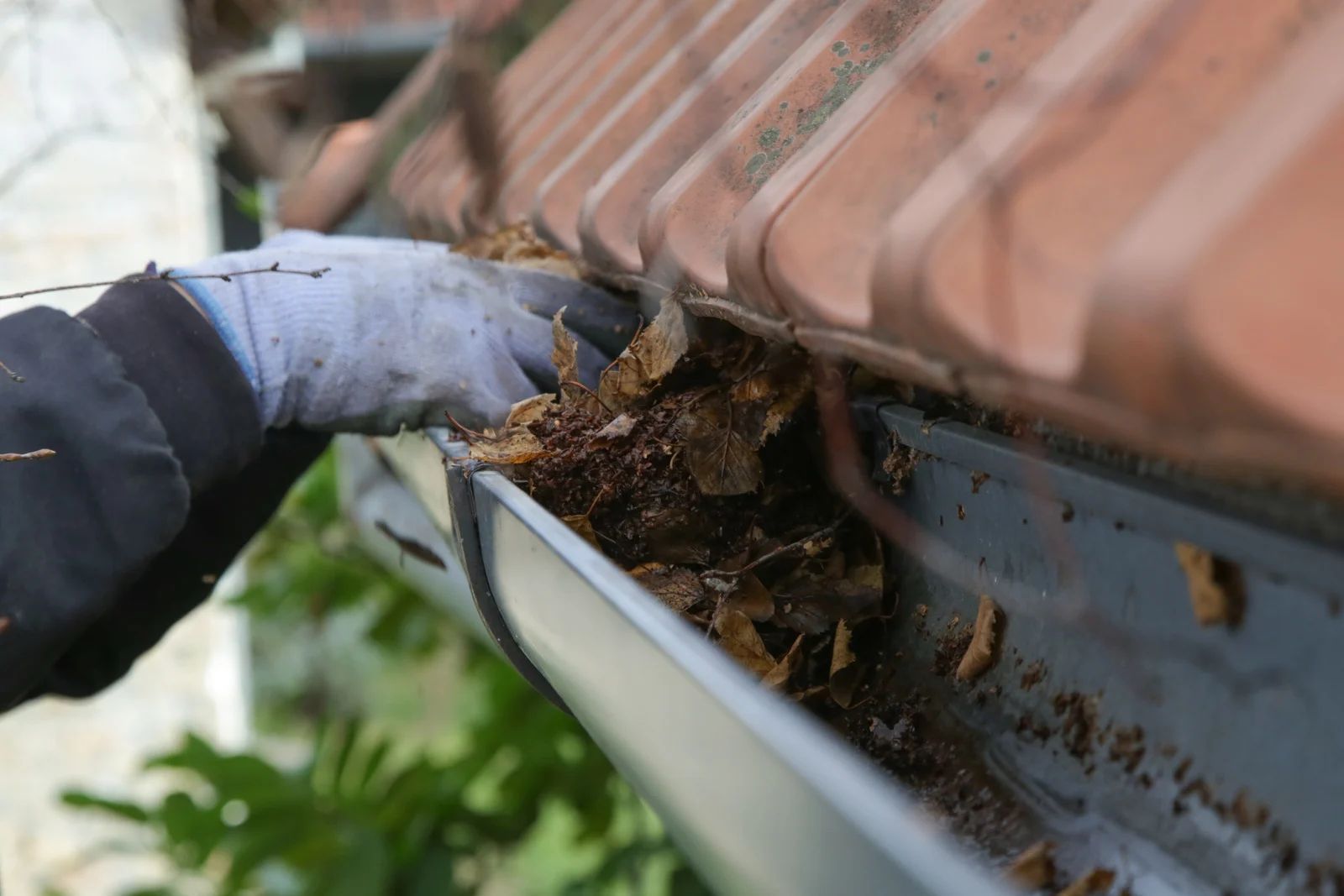
Here is the mechanism most people miss. Wet debris does not simply block flow. It holds moisture against wood and metal for days at a time, long after the rain stops. In a humid coastal climate that moisture barely gets a chance to dry, so a clog that would be harmless in a dry region sits and rots here. We have pulled handfuls of black, half decomposed leaves out of gutters that had not drained in months, and the fascia behind them was already soft to the touch.
The Hidden Risks That Build Up Over Time
Most gutter damage hides where you never look. By the time it reaches eye level, water has usually been working behind the scenes for a full season.
Fascia and soffit rot come first. When water spills over the back edge of a clogged gutter, it runs straight down the fascia and into the soffit. The wood swells, paint bubbles, and the rot spreads quietly. Once the fascia goes soft, the gutter starts pulling away from the house because the fasteners no longer have solid wood to grip.
Your roof edge takes a hit too. Backed up water wicks under the bottom row of shingles and reaches the roof deck. That is how a gutter problem turns into a roof leak that shows up as a stain on a bedroom ceiling.
Then there is the foundation. Overflowing gutters dump concentrated water at the base of the house instead of carrying it away. On the sandy, fast draining soil common near the coast, that water erodes the ground around the footings and works into crawl spaces, where it feeds mold, warps floor joists, and pushes humidity up into the rooms above.
Pests and the Problem With Standing Water
Standing water in a gutter is an open invitation. Mosquitoes breed in as little as a tablespoon of trapped water, and a clogged gutter holds far more than that through the warm, wet months. Carpenter ants and termites are drawn to the soft, damp wood that rotting fascia provides. Once they find a way in, the gutter is no longer your only problem.
Rotting debris also turns into a seed bed. We regularly find small plants and even tree seedlings sprouting in gutters left untouched for over a year, and their roots push into seams and joints until the gutter leaks at every connection.
What to Do Right Now
You do not need to climb up to know whether your gutters are clogged. Start from the ground during the next steady rain and watch the water.
- Look for water spilling over the front or back edge instead of draining to the downspout.
- Check the downspout outlets. If little water comes out while the gutter overflows, the clog sits between gutter and spout.
- Walk the foundation and look for splash marks, eroded soil, or pooling against the wall.
- Inspect the fascia and soffit from below for stains, peeling paint, or sagging gutter sections.
WARNING: Do not put a ladder against wet or soft fascia, and never lean one against a gutter that is already pulling away from the house. A gutter loaded with wet debris on a soft fascia board can give way under weight, and ladder falls cause serious injuries. If the wood feels soft or the gutter sags, stay on the ground and call a professional.
TIP: During the next hard rain, walk the perimeter and mark every spot where water overflows. Those marks show exactly where the clogs are, so cleaning goes straight to the problem instead of guessing.
How Often Your Gutters Really Need Cleaning
The standard advice online says clean your gutters twice a year. Along the coast, that leaves you exposed. Between live oaks dropping leaves and acorns nearly all year, pine needles that slip through most guards, and Spanish moss that breaks loose in storms, gutters here fill faster than average.
Three to four cleanings a year is realistic for most homes surrounded by mature trees. If your roofline sits under heavy oak or pine cover, plan on a look every couple of months during heavy leaf drop. Hurricane season matters too. The heavy rain that arrives with summer and early fall storms is exactly when an overflowing gutter does the most foundation damage, so clearing them before the season starts is one of the smartest moves you can make.
Common Mistakes That Make Things Worse
A few habits turn a simple cleaning into a bigger repair.
The most common one is waiting for a visible problem. By the time you spot a stain or a sagging section, the damage behind it is already done. Cleaning on a schedule beats reacting to symptoms.
Another is blasting the gutters with a pressure washer to save time. That force loosens seams, dents the metal, and drives water under the shingles. A garden hose and your hands do the job without the damage.
People also forget the downspouts. A clean gutter that drains into a blocked spout still overflows, and we find more clogs in downspout elbows than anywhere else. Many homeowners also run water away from the house only a foot or two. Splash blocks and extensions need to carry runoff several feet out, or it soaks right back toward the foundation.
Frequently Asked Questions
How do I know if my gutters are clogged without climbing up?
Watch them during a steady rain. Water spilling over the edges, weak or dry downspout outlets, and pooling along the foundation all point to a clog. Stains or peeling paint on the fascia are another clear sign from ground level. You can also check for sagging sections, since a gutter heavy with wet debris droops.
Can clogged gutters really damage my foundation?
Yes. Overflowing gutters dump concentrated water at the base of your home instead of carrying it away. On sandy coastal soil that water erodes the ground around the footings and seeps into crawl spaces, leading to mold, shifting, and serious structural problems over time. Left unchecked, the damp settles into the framing beneath your floors.
How often should gutters be cleaned in a coastal area?
Plan on three to four times a year, more if oaks or pines hang over your roof. Coastal trees shed almost all year, and heavy summer storms make a clog especially risky. Clearing them before hurricane season is the smartest timing. Homes under heavy tree cover often need a closer look every couple of months.
Is it safe to clean gutters myself?
Sometimes. If the fascia is solid and the gutters sit firm against the house, a stable ladder and gloves are fine. But if the wood feels soft, the gutter sags, or surfaces are wet, stop and call a professional. Ladder falls cause serious injuries. Never work alone, and keep your weight off the top rung.
What happens if I never clean my gutters at all?
Water finds new paths. Expect rotted fascia, leaks under shingles, foundation erosion, mold in the crawl space, and pests drawn to damp wood. None of it happens overnight, which is why neglected gutters quietly become one of the biggest repairs a home faces. By then the damage reaches far past the gutters into the framing.
Dependable Gutter Cleaning You Can Schedule With Confidence
The core principle is simple.
Clean gutters
move water away from your home, and clogged ones invite it in. Along the coast, the risk runs higher because the trees never stop shedding and the storms hit hard, so a gutter ignored here fails faster than it would almost anywhere else. If your gutters are overflowing, sagging, or you cannot remember the last time they were cleared, do not wait for the damage to reach eye level. At South Carolina Gutters, we have spent
6
+ years keeping homes dry across Beaufort, South Carolina. Reach out for an inspection, and we will tell you honestly what your system needs and what it does not.