What Are Gutter Guards and How Do They Prevent Seasonal Home Damage?
Gutter systems play a critical role in protecting residential structures from water-related damage, yet they are often overlooked until problems become visible. Seasonal changes such as heavy rainfall, falling leaves, snow accumulation, and dust storms place constant pressure on gutters, leading to clogging, overflow, and structural wear. This is where gutter guards become an important layer of protection, offering a practical solution to reduce maintenance needs while improving overall drainage performance. They also help maintain consistent water flow even during sudden weather changes that can overwhelm unprotected systems. Over time, this added protection reduces strain on roofing edges and exterior surfaces. It also lowers the chances of water pooling around the foundation, which can lead to long-term weakening. With proper installation, gutter guards contribute to a more stable and low-maintenance drainage system across all seasons.
Gutter guards are designed to block debris while allowing rainwater to flow freely through the gutter channels. By reducing blockages, these systems help prevent water from spilling over roof edges, damaging siding, weakening foundations, and creating moisture-related issues inside the home. In regions with distinct seasonal shifts, the importance of a reliable gutter protection system becomes even more significant, as each season introduces different types of debris and environmental stress. This ensures that gutters remain functional even during periods of heavy leaf fall or intense storms. It also reduces the frequency of manual cleaning, making maintenance safer and less time-consuming for homeowners. In addition, gutter guards help minimize the growth of mold and mildew caused by trapped moisture. Over the long term, they support better structural durability and reduce the likelihood of expensive repairs.
Understanding Gutter Guards and Their Core Function
What Gutter Guards Are Designed to Do
Gutter guards are protective systems installed over or inside gutters to control debris entry while maintaining water flow. Their primary role is to minimize clogging caused by leaves, twigs, seeds, and dirt. Without this protection, gutters can quickly become blocked, leading to overflow during rainstorms and water damage along exterior walls and costly long-term structural repairs to building exterior surfaces.
How Water Flow Is Maintained
The design of gutter guards ensures that surface tension and perforation systems guide rainwater into the gutter while filtering out larger particles. This balance allows water to move efficiently through downspouts, even during heavy rainfall. The result is a more stable drainage system that reduces manual cleaning frequency and improves overall home protection while maintaining consistent performance during seasonal weather variations year-round.
Types of Gutter Guards and Material Variations
Mesh and Screen-Based Systems
Mesh gutter guards use fine metal or plastic screens to filter debris. These systems are effective in blocking small particles while maintaining steady water flow. They are commonly used in areas with heavy foliage due to their strong filtration capacity, making them suitable for residential and commercial installations alike.
Reverse Curve and Surface Tension Guards
Reverse curve designs rely on water adhesion principles, directing rainwater around a curved edge into the gutter while leaves and debris fall to the ground. These systems require precise installation but perform well in moderate to heavy rainfall conditions, especially when roof pitch and alignment are properly optimized.
Foam and Brush Inserts
Foam inserts fit directly inside gutters, allowing water to pass through while blocking debris. Brush-style guards use bristles that catch larger particles. Both options are simple to install but may require periodic cleaning depending on environmental exposure to prevent buildup and maintain reliable drainage performance over time.
Material Considerations
Aluminum, stainless steel, and durable polymers are commonly used materials. Metal options offer long-term durability and resistance to weathering, while polymer-based guards provide affordability and flexibility for various roof types, making selection dependent on budget and environmental durability needs.
How Gutter Guards Prevent Seasonal Home Damage
Protection During Monsoon and Heavy Rainfall
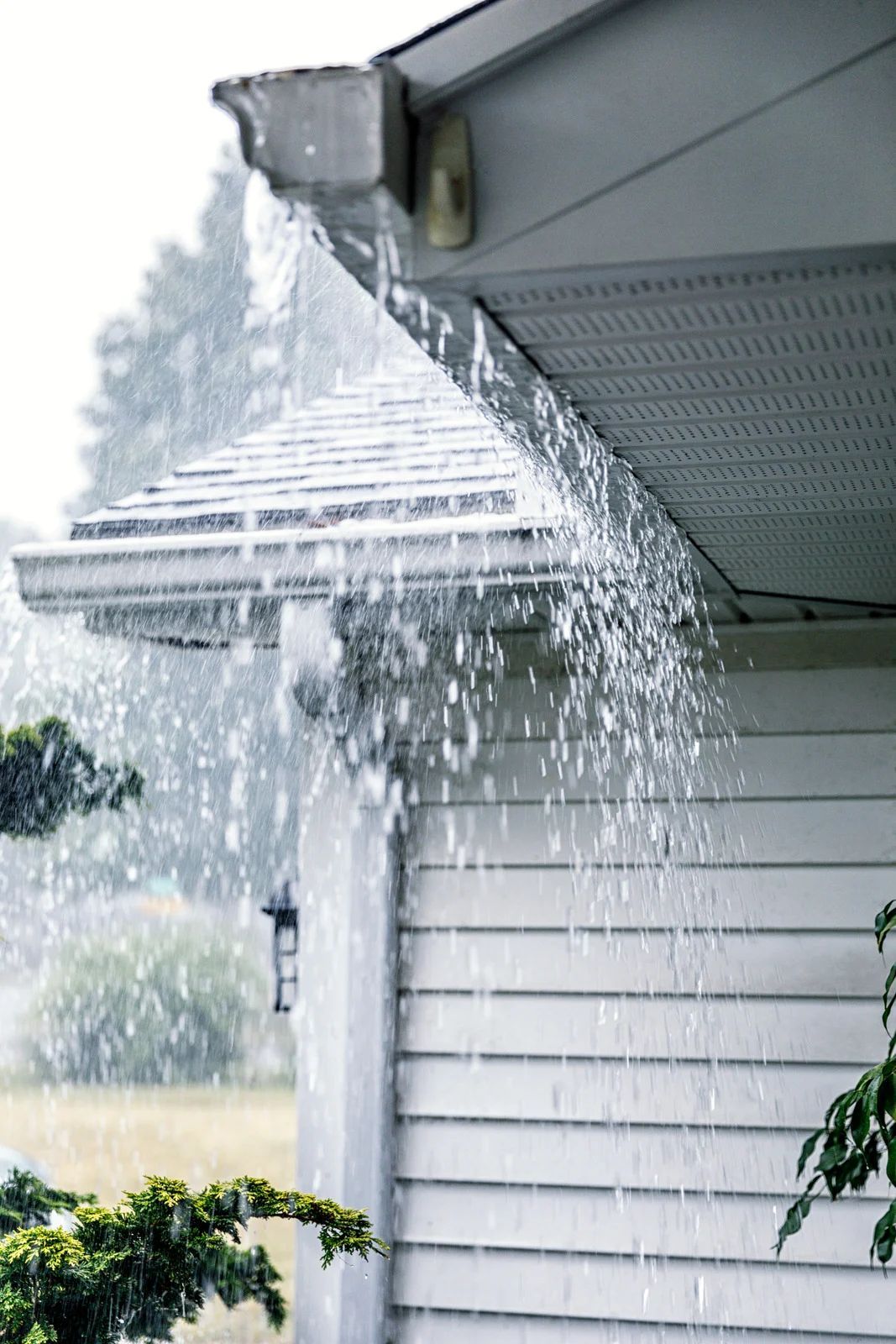
During intense rainfall, unprotected gutters often overflow due to blockages. This overflow leads to water pooling around foundations, increasing the risk of cracks and soil erosion. Gutter guards maintain a steady flow, reducing pressure buildup and ensuring rainwater is directed away from structural bases, which helps safeguard long-term foundation stability in vulnerable areas.
Leaf Fall and Autumn Debris Control
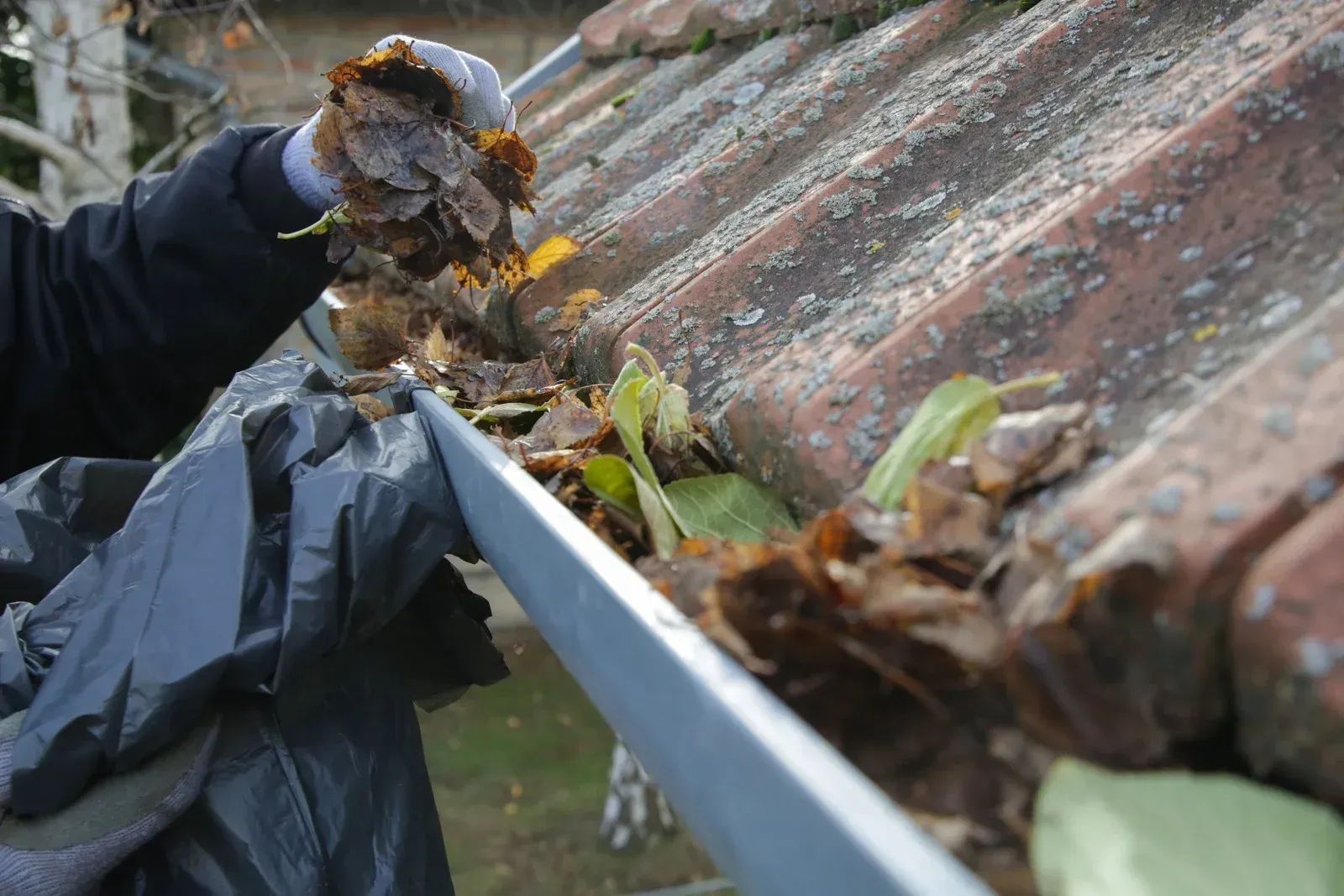
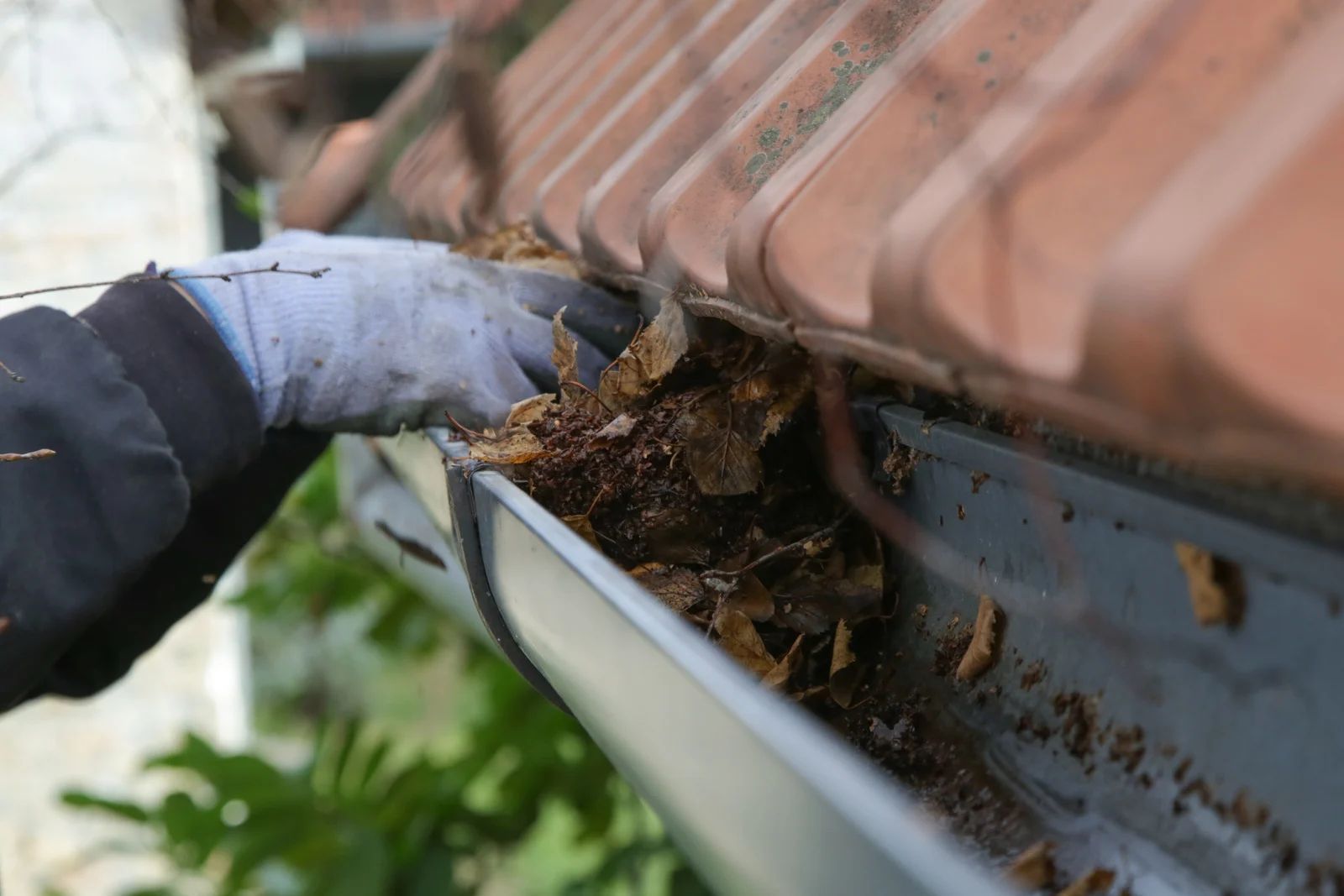
Autumn introduces heavy leaf shedding, which is one of the leading causes of gutter blockage. When leaves accumulate, they trap moisture and create organic buildup. This can lead to mold growth and pest infestations. Gutter guards reduce accumulation, allowing rainwater to pass without obstruction, thereby maintaining cleaner drainage channels throughout seasonal transition periods.
Winter Ice Formation Prevention
In colder conditions, clogged gutters can contribute to ice dam formation. When trapped water freezes, it expands and causes damage to roofing edges and gutter joints. Properly functioning gutter guards reduce standing water, lowering the risk of freezing and structural stress while preserving roof integrity during prolonged low-temperature conditions.
Summer Dust and Storm Protection
Dry seasons bring dust, seeds, and windblown debris. These materials settle inside gutters and restrict flow during sudden storms. Gutter guards act as a barrier, ensuring that even fine debris does not accumulate to harmful levels, supporting uninterrupted drainage performance during sudden weather change events.
Key Benefits of Installing Gutter Guards
Reduced Maintenance Requirements
One of the most practical advantages is the reduction in cleaning frequency. Traditional gutters require regular manual cleaning to maintain flow. With guards installed, debris accumulation is significantly minimized, reducing maintenance effort and associated risks, especially in properties surrounded by dense trees and vegetation.
Improved Structural Longevity
Water damage is one of the leading causes of exterior deterioration. By preventing overflow, gutter guards help protect siding, fascia boards, and foundation areas from prolonged moisture exposure. This contributes to extended structural life, reducing repair costs and preventing premature material degradation issues.
Pest and Insect Control
Standing water and decomposing debris often attract mosquitoes, rodents, and insects. Gutter guards reduce stagnant conditions, limiting breeding environments and lowering pest-related issues around the roofline, which improves overall hygiene and comfort around living spaces.
Enhanced Roof Performance
When gutters function properly, roof edges remain dry and stable. This reduces rot and weakening of roofing materials over time. Proper drainage also prevents water from seeping under shingles during storms, helping maintain structural strength and roof durability across seasons.
Cost Efficiency Over Time
Although initial installation requires investment, long-term savings come from reduced repair needs, fewer cleanings, and minimized water damage restoration expenses. The system acts as a preventive measure rather than a reactive solution, offering financial stability through reduced maintenance and repair frequency.
Installation Considerations and Maintenance Best Practices
Proper Assessment Before Installation
Every home requires a tailored approach based on roof design, gutter size, and surrounding vegetation. Evaluating slope, drainage direction, and seasonal debris patterns helps determine the most suitable gutter guard type, ensuring compatibility with specific environmental and structural conditions present.
Professional Installation Importance
Correct installation ensures optimal performance. Improper fitting can lead to water bypass, debris entry, or structural misalignment. Secure attachment and proper sealing are essential for maintaining efficiency during heavy weather conditions, preventing long-term issues caused by improper alignment or loose fittings.
Routine Inspection and Light Cleaning
Even with gutter guards, periodic inspection is necessary. Checking for surface buildup, minor blockages, or displacement after storms ensures continued performance. Light cleaning may be required in high-debris environments to maintain uninterrupted water flow and system reliability year-round.
Seasonal Maintenance Approach
Different seasons require different attention levels. Pre-monsoon checks ensure readiness for heavy rain, while post-autumn inspections help clear accumulated organic matter. A structured maintenance schedule supports long-term reliability and reduces the likelihood of unexpected drainage system failures.
Professional Gutter Guard Installers Ensuring Structural Security
Gutter guards provide a practical solution for managing seasonal challenges that affect residential drainage systems. By preventing debris accumulation and maintaining steady water flow, these systems reduce the risk of structural damage, pest issues, and costly repairs. Their role becomes especially important during periods of heavy rainfall, leaf fall, freezing conditions, and dry-weather storms, where unmanaged gutters can quickly lead to significant home deterioration. A well-selected and properly maintained gutter protection system supports long-term durability and reduces ongoing maintenance demands.
Reliable installation and consistent inspection help ensure that the system continues to perform across changing weather conditions. When integrated as part of a broader home protection strategy, gutter guards contribute to a safer and more stable living environment. Their value extends beyond convenience, offering measurable protection for roofs, walls, and foundations over time.
South Carolina Gutters
brings trusted expertise in gutter protection and drainage solutions with a strong focus on long-term residential safety. Based in Beaufort, South Carolina, the service reflects over 6
years of hands-on experience in managing seasonal water challenges common to the region. Our approach emphasizes durable installation practices, careful system selection, and attention to structural detail that supports lasting performance. Every project is handled with a commitment to protecting homes from water damage risks that often escalate during seasonal transitions. By combining practical knowledge with field-tested techniques, we ensure each gutter guard system aligns with real environmental demands and homeowner expectations, creating dependable protection year after year.