How Often Should Gutters Be Cleaned in a Region Full of Pines and Oaks?
Quick Answer: Most homes do well with a gutter cleaning twice a year, once in late spring and once in late fall. But if your roof sits under pines, live oaks, or a mix of both, plan on three to four times a year. Heavy tree cover, salt air, and the Lowcountry's long wet season all push that number up, so the trees leaning over your roof matter more than the size of your house.
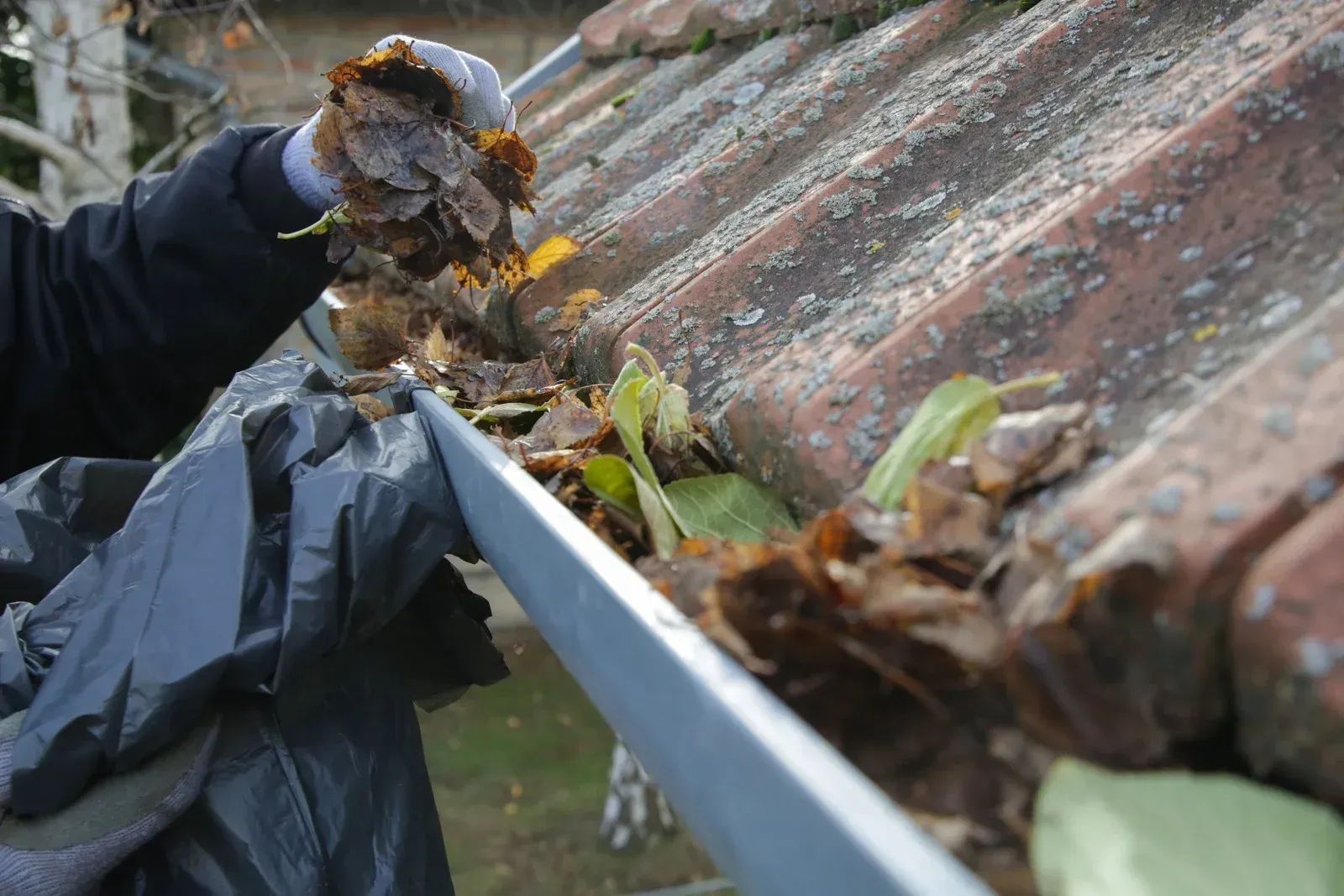
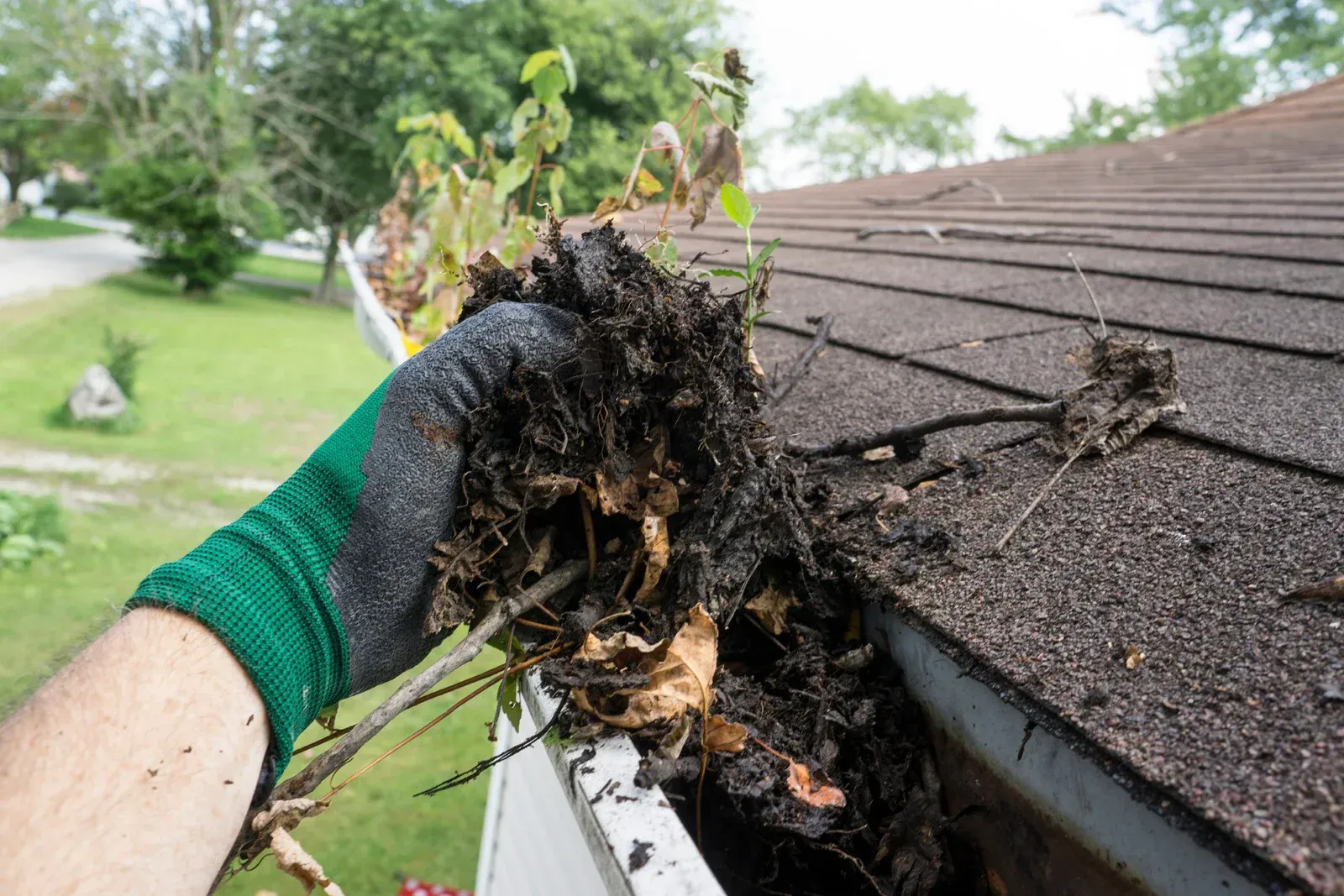
You look up at your gutters, see a little green fuzz along the top edge, and wonder whether it is time again already. If your yard is full of pines and oaks, the honest answer is that it probably is. Tree cover is the single biggest thing that decides how fast your gutters fill, and the mix of trees common around here drops debris across more months of the year than most homeowners expect. Below is a straight breakdown of how often to clean gutters when you are surrounded by that kind of canopy, what the warning signs look like, and why letting it slide costs you far more than the cleaning ever would.
Why Tree Cover Sets the Schedule
The old rule of thumb, twice a year, was written for a house with a couple of maples in the yard. It falls apart fast once you add heavy tree cover, and the type of tree changes the math more than anything else.
Pines are the fast fillers
Pine needles do not sit loose in a gutter the way a leaf does. They interlock. Wet needles knit together into a dense mat that water cannot push through, and that mat can choke a gutter within a couple of months of a heavy drop. A home ringed by pines can go from clear to clogged between one season and the next, which is why pines alone are enough to move you to three or four cleanings a year.
Oaks drop debris in two waves
Oaks fool people because they seem tidy most of the year, then hit you twice. In spring they shed catkins, those stringy pollen tassels that clump and slide straight into the trough. Live oaks add another layer, since they hold and drop leaves on their own schedule rather than dumping everything in one tidy autumn week. That stretched-out drop means an oak-heavy yard rarely gets a real break.
A mixed canopy almost never rests
When you have pines and oaks together, plus the usual undergrowth, the debris cycle runs close to year round. Spring brings catkins and pollen, late summer brings needles, fall brings leaves, and winter brings whatever the wind knocks loose. Each species covers a different stretch of the calendar, so the gutter is refilling before you have finished thinking about the last cleaning.
Count the trees near the roofline, not the whole lot
What matters is the canopy within roughly fifty feet of the house, the branches actually leaning over or near the roof. A wooded lot with ten or more mature trees close to the roofline is a quarterly job, full stop. Trees at the back of the property barely register.
The Frequency Ranges, Spelled Out
Here is how the ranges tend to shake out once you factor tree cover into the picture. Think of these as starting points you adjust after a season or two of watching your own gutters.
Light tree cover, twice a year
If you have only a few deciduous trees and nothing dropping needles, the classic schedule holds. Clean once in late spring after the seed pods and catkins finish falling, and once in late fall after the leaves are down. Those two windows catch the bulk of the year's debris.
Pines nearby, three to four times a year
Any pines within reach of the roof bump you into quarterly territory. A workable rhythm is early spring, early summer after the pollen, late summer once the needle drop peaks, and late fall before the wet season settles in. You are chasing the needle mat before it has a chance to set.
Oak-heavy or mixed canopy, three or more times a year
Because oaks and live oaks stretch their drop across so many months, an oak-dominant yard usually needs a third cleaning slipped in over winter to deal with the trickle of leaves the trees hang onto. Mixed pine-and-oak lots sit at the top of the range, often four visits, since something is always coming down.
TIP: Keep a simple note on your phone of the date each time the gutters get cleared and how packed they were. After a year you will see your own pattern, and you can stop guessing and start scheduling around the two or three months your particular trees hit hardest.
Reading the Signs Your Gutters Are Full
You do not have to climb up to know a gutter is struggling. The house tells you, if you know what to watch for.
Water sheeting over the front edge
If you see a curtain of water spilling over the outside lip during a normal rain instead of running to the downspout, the trough is blocked. Overflow during light rain means the clog is well past the halfway point.
Green growth or standing water
Seedlings sprouting from the gutter, or a line of standing water that lingers after the sky clears, both mean debris has broken down into something close to soil and the downspouts are not draining. Standing water also becomes a mosquito nursery within a week or two.
Dark streaks down the fascia
Those vertical tiger stripes on the boards behind the gutter come from dirty water spilling over the back edge and running down the face of the house. It is a sign of chronic overflow, not just a cosmetic smudge.
Sagging or pulling away
Wet debris is heavy, far heavier than most people picture, and a packed gutter can drag its own hangers loose or bow in the middle. If a run looks like it is sagging or leaning off the fascia, it is carrying a load it was never built to hold.
WARNING: Cleaning gutters means working from a ladder or the roof, and falls from that height are a genuine hazard, not a small risk. Wet leaves, soft ground, and an awkward reach with both hands full are exactly how serious injuries happen. Professionals use stabilizers, proper footing, and the right equipment for a reason. If checking your gutters means leaning off a ladder to reach, that is the moment to bring in someone set up to do it safely rather than pushing your luck.
What Neglect Actually Costs the House
Skipping cleanings does not just leave a messy gutter. It sets off a chain of damage that starts small and works its way into the structure.
Fascia and soffit rot
When water spills over the back edge, it soaks into the fascia board the gutter is nailed to and the soffit tucked underneath. Wood that stays wet in a humid climate rots, and once the fascia goes soft, the gutter has nothing solid to hang from.
Foundation and grading trouble
Gutters exist to carry water away from the house. A clogged one dumps it straight down along the foundation instead, where it pools, saturates the soil, and pushes against the walls. Over a few seasons that pressure shows up as settlement cracks and moisture working its way inside.
Pests moving in
Standing water and rotting debris are an open invitation. Mosquitoes breed in the trapped water, and the damp organic pile draws in the insects and rodents that follow it. A clean, dry, free-flowing gutter simply does not offer them anything.
Roof edge damage
When debris keeps the trough full, water backs up under the first course of shingles and against the roof edge. That slow, repeated soaking works at the very part of the roof that is supposed to shed water fastest.
Gutter Guards: Help, Not a Free Pass
A lot of homeowners under heavy tree cover ask whether guards will end the whole routine. They help, but it is worth being clear-eyed about what they do.
They cut frequency, not maintenance
A good guard keeps leaves and larger debris out of the trough, which can stretch the time between cleanings and make each one lighter. What it does not do is make the gutter self-sufficient forever.
Pine needles are the real test
Fine needles and shingle grit are exactly what can slip through or bridge across a mesh, and pollen and needle fragments still build up on top of a guard. Under Lowcountry pines especially, guards need the top surface cleared and the system checked so they keep shedding water instead of quietly damming it.
Fit matters more than the brand
A guard sized and pitched wrong for your roof and your tree load can trap as much as it blocks. The point is to match the system to what is actually falling on your particular roof, which is worth an on-site look rather than a guess.
Frequently Asked Questions
How often should I clean gutters if my yard is full of pines and oaks?
Plan on three to four times a year. Pine needles mat together fast, and oaks drop debris across many months. With both overhead, something is almost always coming down, so quarterly cleaning keeps you ahead of it.
Is twice a year ever enough here?
Twice a year works for homes with only a few leafy trees and no needles dropping nearby. Once pines or heavy oak canopy enter the picture, that schedule leaves gutters clogged for months, long enough to damage fascia and foundation.
When are the best times of year to clean?
Late spring after catkins and pollen finish, and late fall before the wet stretch settles in, anchor the schedule. Under heavy tree cover, add a late-summer visit for peak needle drop and a winter check for oak leaves.
Do gutter guards mean I never have to clean again?
No. Guards reduce cleaning frequency and make each visit lighter, but the top surface still needs clearing, especially under pines where fine needles and pollen collect on the mesh. They stretch the schedule, not end it.
What are the first signs my gutters are overdue?
Water pouring over the front edge during ordinary rain, dark streaks down the boards behind the gutter, standing water or seedlings in the trough, and any sagging section all mean the gutter isn't draining properly.
Should I clean my own gutters or hire someone?
Light checks from the ground are fine, but actual clearing means working at height, and falls from a ladder or roof are a real danger. If reaching the gutter means climbing onto the roof, hire a professional.
Keeping Ahead of the Canopy
Gutters are one of those parts of a house that quietly do their job until the day they cannot, and under a Lowcountry canopy of pines and live oaks in Beaufort, South Carolina, that day arrives faster than most homeowners plan for. The safe habit is simple: match your schedule to your trees, watch for the overflow and staining that tell you the trough is full, and never let the debris sit long enough in this wet, humid climate to reach the fascia or the foundation. A gutter that stays clear and flowing is protecting the roof edge, the walls, and the ground under your house every time it rains, which around here is often. If your gutters are due for a look, let
South Carolina Gutters, with 6
+ years of experience, clear, inspect, and set up a cleaning rhythm built around the pines and oaks over your own roof.